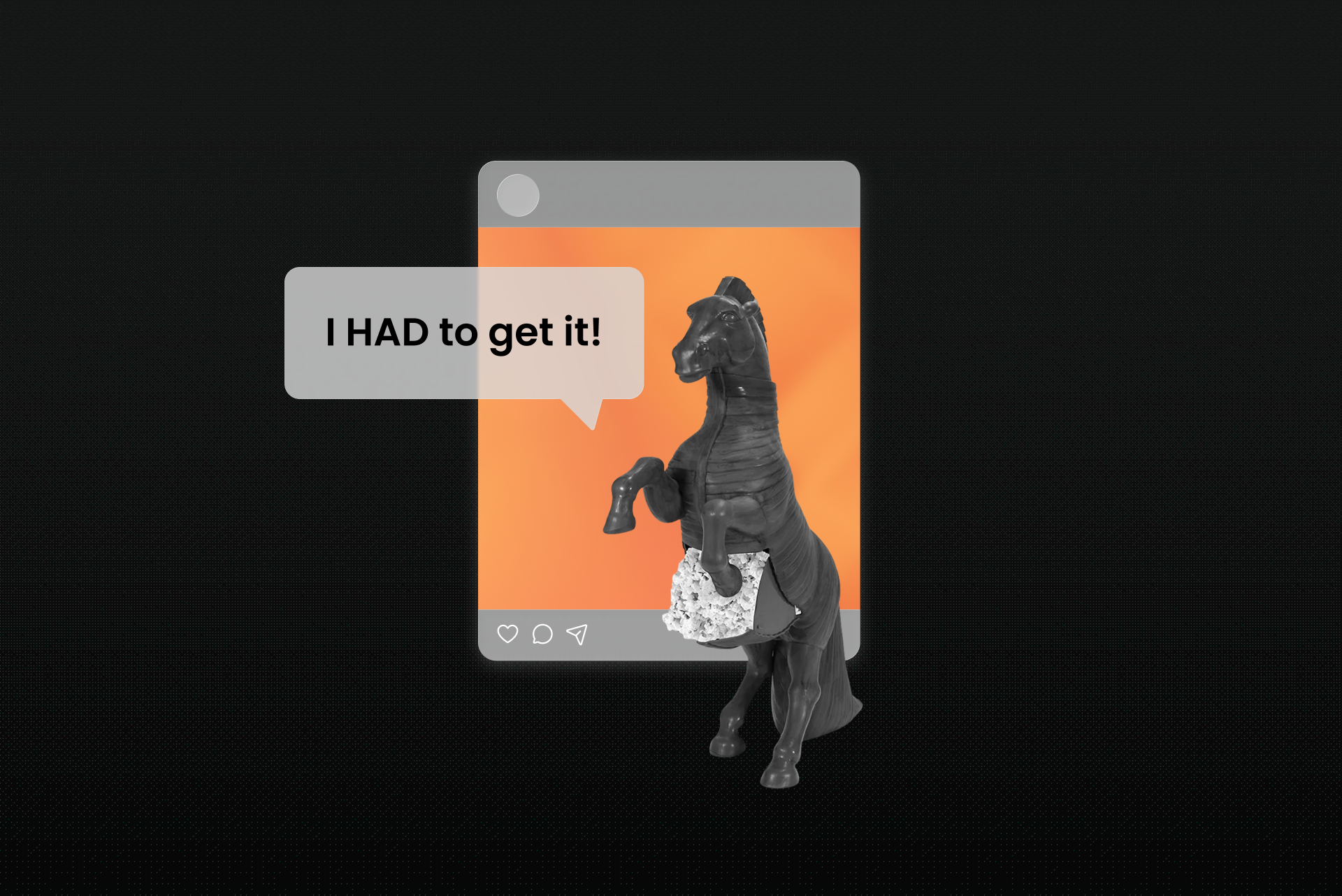
Somebody you know owns a popcorn bucket shaped like a Trojan horse.
It cost more than their ticket. It holds a fraction of what the plain paper tub next to it holds. It has never had popcorn in it. It lives on a shelf, and it isn’t going anywhere.
Theaters are having their best run in years, and a surprising amount of it has nothing to do with tickets.
The Habit Died. The Occasion Replaced It.
People are choosing theaters again, but not the way they used to. The default Friday night is gone and streaming took the casual moviegoer permanently.
What replaced it is more valuable. Going to a movie became an occasion. People go less often and spend considerably more when they do. They plan around it, coordinate a group, eat somewhere nearby, and post about it.
Occasions behave nothing like habits. Habits are cheap, frequent, and invisible. Occasions are expensive, rare, photographed, and remembered. Habits generate volume. Occasions generate meaning, and meaning is what people pay premiums for.
The concession stand worked that out first. A collectible bucket can run past sixty dollars and hold a third of what the standard tub holds. Limited runs, participating locations, opening weekend only. People queue for molded plastic and resell it before the film leaves theaters. Nobody buying one is confused about the math. They aren’t paying for popcorn. They’re paying for proof they were there.
You Don’t Have a Merch Division
Most trend pieces stop right about there, just after the part where a global studio and a fast food chain do something clever with a nine-figure budget and a two-year lead time.
That isn’t a useful place to land for most of the brands reading this. If you’re running a growing DTC label, a specialty retailer, a regional service business, or a B2B company with a real community around it, you are not going to tool a sculpted collectible for a summer release. You don’t have the licensing budget, the production runway, or the reason.
The studios aren’t running the most interesting version of this play anyway. The businesses around the theater are.
The Bar Two Doors Down Is Winning
While the studios negotiated partnerships, local operators read a public calendar and got there first.
The bar next to the theater writes a themed cocktail off a release it had no part in. The coffee shop across the lot names a drink after a character and puts it on a chalkboard. The bookstore builds a window display timed to a premiere. The nail salon posts a set inspired by a costume. None of them cleared anything legally, paid a licensing fee, or spent a dollar on media. They spent an afternoon.
That version scales down. It doesn’t require owning the moment. It requires proximity to it, and the willingness to move before it peaks.
Most brands wait to be invited into culture. The invitation isn’t coming. The calendar is public.
What It Actually Takes
Four things, all available at mid-market budgets.
Find the occasion your audience already organizes around. It’s rarely a movie. It’s a season, a competition, a conference, a local event, a recurring moment in your category that your customers plan their year around. B2B has more of these than DTC does and almost nobody works them properly. An industry trade show is an occasion. Most companies treat it as a booth.
Show up before the peak, not during the recap. Speed beats polish by a wide margin here. A decent idea executed on day one outperforms a great one executed on day twelve, and the approval chain is usually the entire problem.
Make something people keep or photograph. It doesn’t have to be manufactured. A well-designed insert, a limited menu item, a physical invitation, a run of a hundred of something. Scarcity does more work than production value. The test is whether somebody would keep it if the logo weren’t on it.
Price it as an object, not as packaging. People pay premiums for meaning and commodity rates for function. Your price tells the customer which one you think you’re selling.
Where It Goes Wrong
A collectible nobody wants is inventory. Internal enthusiasm is not a demand signal, and the misses end up on clearance where everyone can see them.
Late reference is worse than none. A meme picked up two weeks after peak reads as a brand that doesn’t understand the culture it’s borrowing from. Silence is neutral. Late is a statement about how long your approvals take.
And the occasion has to be real. Merchandise commemorates an experience. Without one, it’s a branded item at a high price with no story attached, which people identify instantly and ignore completely.
Find Your Opening Weekend
Theaters didn’t win people back with a better business model. The films gave people a reason to leave the house, and somebody realized a reason to leave the house is worth commemorating.
Every brand has one of those somewhere on the calendar. Most are treating it as a date instead of a moment.
The bucket isn’t the lesson. The occasion is.
Got a moment on the calendar worth more than a post? GreaterThan helps growing brands turn the moments their customers already care about into campaigns worth participating in. No licensing deal required. Let’s talk.