Ask anyone what they’ll remember from this World Cup and you probably won’t hear about a goal.
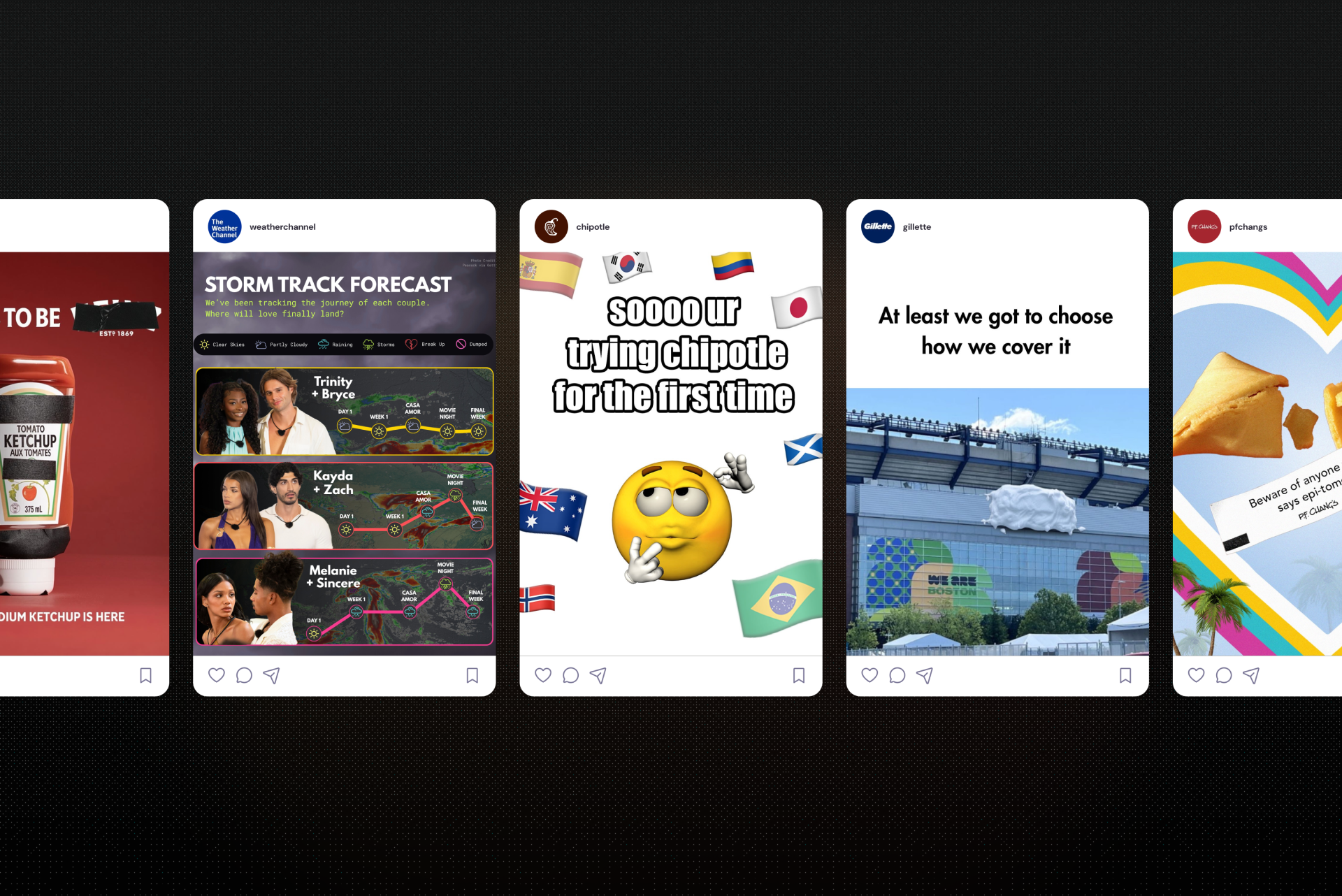
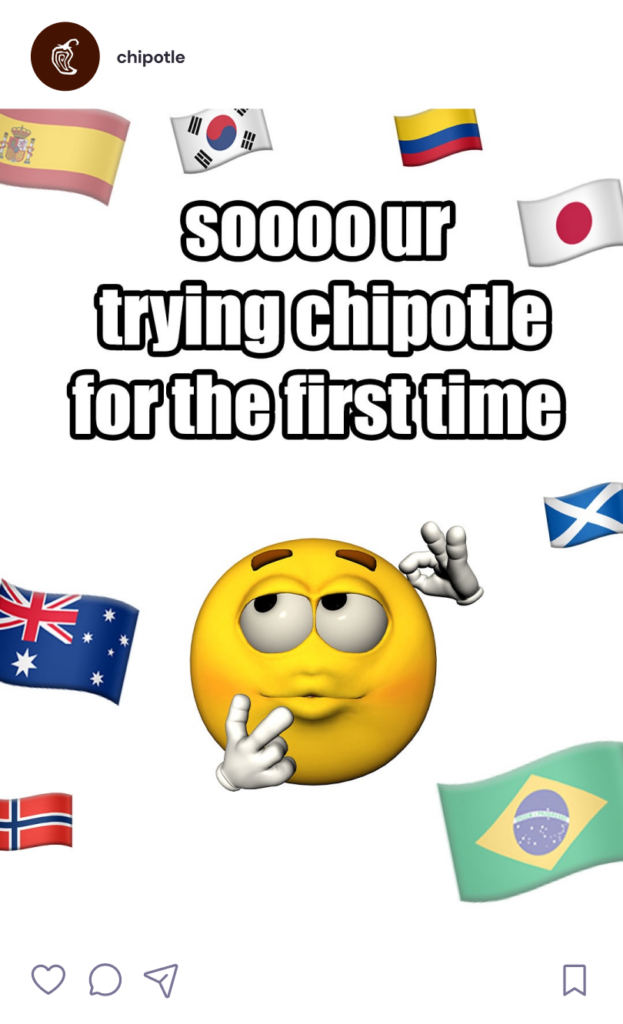
You’ll hear about the international fans losing their minds over their first Chipotle run. You’ll hear about the Scots overrunning Boston. You’ll hear about FIFA taping over every logo that didn’t pay to be there. You’ll hear about every player on the pitch showing up in pink cleats, because five rival brands all had the same idea at once and turned the World Cup into a sea of the exact same color. The moments that actually took over feeds this summer weren’t the ones on the pitch. They were everything happening around it, and every single one of them was a meme before it was a headline.
None of it was briefed by a brand. None of it was scripted by an agency. And all of it out-traveled every piece of official sponsor creative by an order of magnitude.
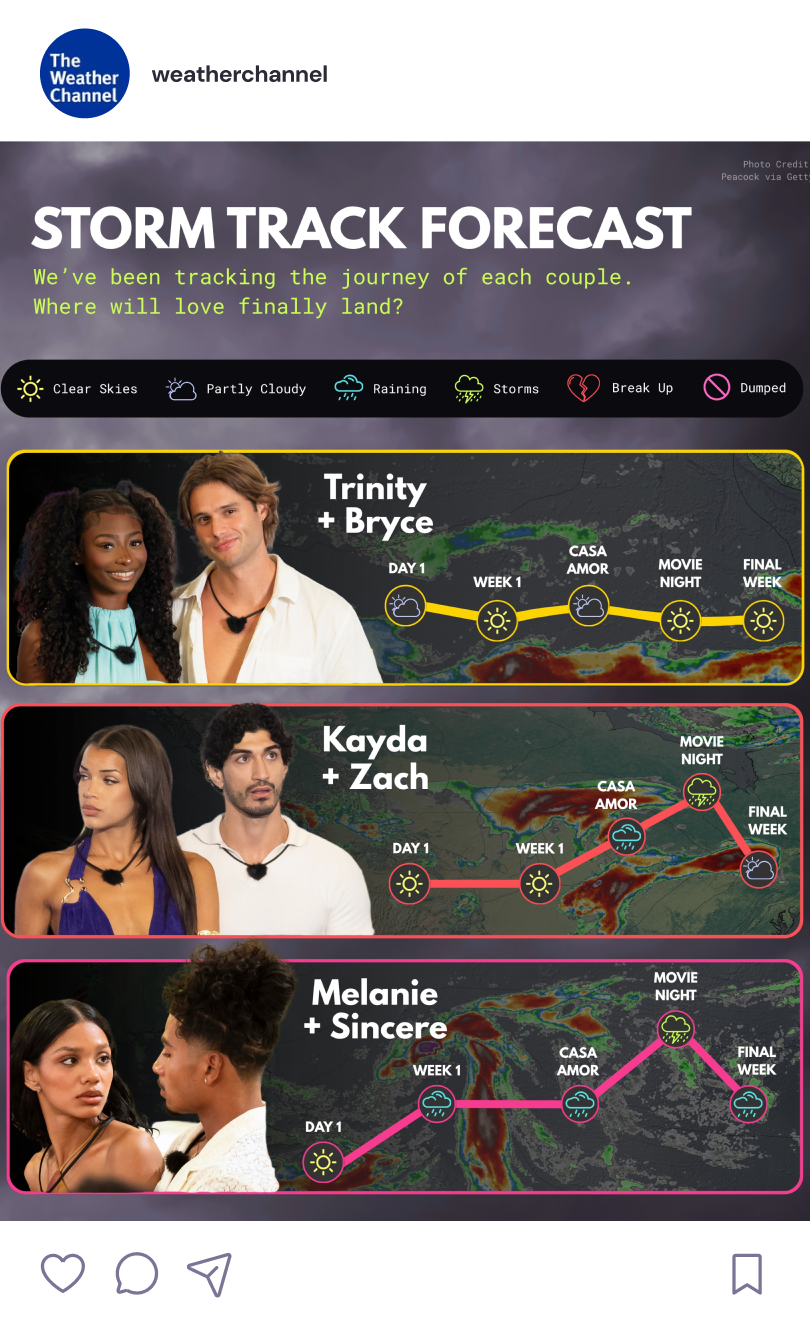
Meanwhile, over on Love Island, the show airs one hour of content a night and fans produce hundreds of hours around it. Edits, fancams, recap threads, group chats voting as a bloc. The fan output isn’t a byproduct of the marketing. It is the marketing.
Two very different corners of culture. Same exact lesson.
One Screen for the Show, One for the Group Chat
What actually links a football tournament and a dating show is how people watch them. Nobody watches either one with full attention anymore. The match or the episode plays on one screen while the real action happens on the other, in the replies, the group chat, the quote posts, the edits going up before the segment has even finished airing.
X and TikTok trend for both properties at the same time, most nights during the overlap. The commentary is the event as much as the event is. That changes the job for a brand completely. You’re no longer buying attention during the broadcast, because the attention isn’t on the broadcast. It’s on the second screen, moving fast, and the only way to be there is to move at the speed of the meme instead of the speed of a media plan.
Real-time isn’t a nice-to-have anymore. It’s the whole game. A brand that needs three days and four approvals to react has already missed the moment it was reacting to.
The Audience Took Over the Job
For decades the model was simple. Brands made ads. Audiences received them. The entire industry was built on that one-way street, and the biggest budgets bought the biggest megaphones.
That street now runs the other way. The most valuable marketing of summer 2026 was made by fans, for free, faster than any agency could route an approval. And notice what they actually made it about. Not the goals. The stuff around the goals. Europeans landing in the US for the first time and losing it over gas station taquitos, free refills, the sheer scale of a Buc-ee’s. Visitors narrating American grocery stores like nature documentaries. Brands sliding into each other’s replies with banter that had nothing to do with soccer and everything to do with the moment. That’s what got clipped, quoted, and passed around. The match was just the reason everyone happened to be in the same place at the same time.
Love Island runs on the same engine, and arguably runs it harder. A single glance, a line of dialogue, a recoupling gone wrong, and within minutes fans have cut it into edits, captioned it, and turned it into the group-chat shorthand for the whole week. The show provides the raw footage. The audience provides everything that makes it travel.
And it isn’t just happening on phones. Fans turned the show into an event, watch parties in living rooms and bars, live group chats running the length of every episode, whole friend groups syncing up to react in real time. The viewing became social, and the social became the product. People weren’t tuning in to watch a dating show so much as to have something to talk about together, all night, every night it aired.
That puts brands in a strange spot. The audience isn’t waiting for a message, they’re already deep in one of their own, and it moves fast. To stay relevant a brand has to keep pace with both the show and the comment section underneath it, reading the jokes as they form, catching the catchphrase before it peaks, showing up in the reply thread rather than in a scheduled post. The fans set the tempo. The brands either match it or get talked over.
The ones still operating on the broadcast model spent the summer talking into a room where everyone was already mid-conversation.
The Best Brands Answered the Meme
Here’s the part that should sting if you hold a sponsorship budget. FIFA spent the tournament doing what FIFA does, taping over non-sponsor logos, policing backdrops, scrubbing venues clean for the brands that paid for exclusivity. Levi’s got covered. Heinz got covered. Gillette’s logo got hidden behind fake foam at Boston’s stadium.
What separated the winners from the covered wasn’t whether they got taped over. It was how fast they turned the tape into a joke. Heinz Canada saw its branding blacked out at BMO Field and answered within days with “Unofficial Stadium Ketchup,” a real bottle with its own name censored on the label and the line “It still has to be.” Fans knew exactly whose bottle it was. The post pulled tens of thousands of likes and a comment section begging to buy one, and the coverup that was meant to erase Heinz turned into the most Heinz thing it could have done.
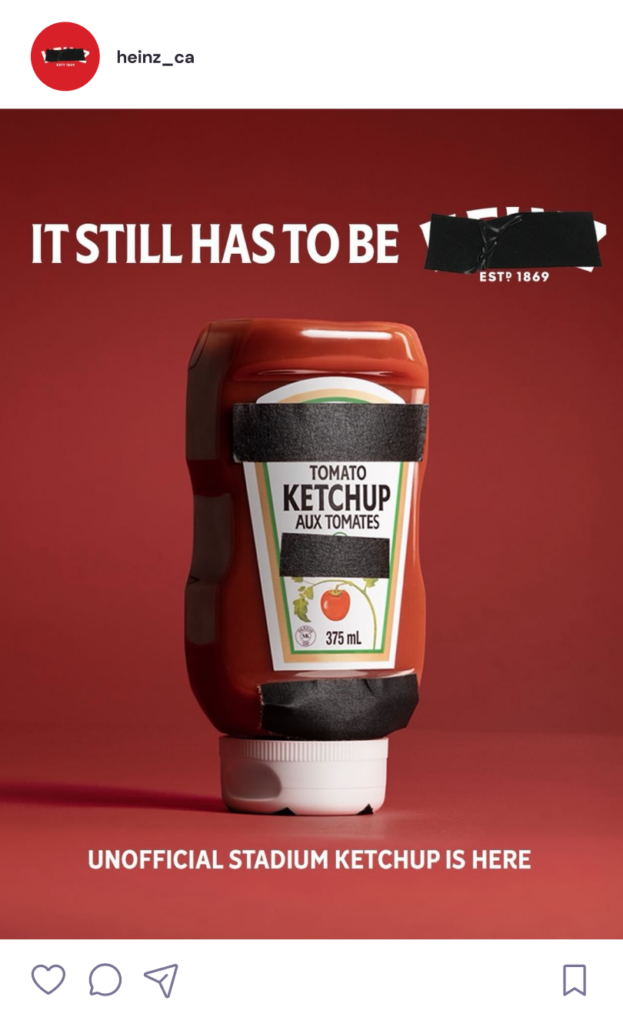
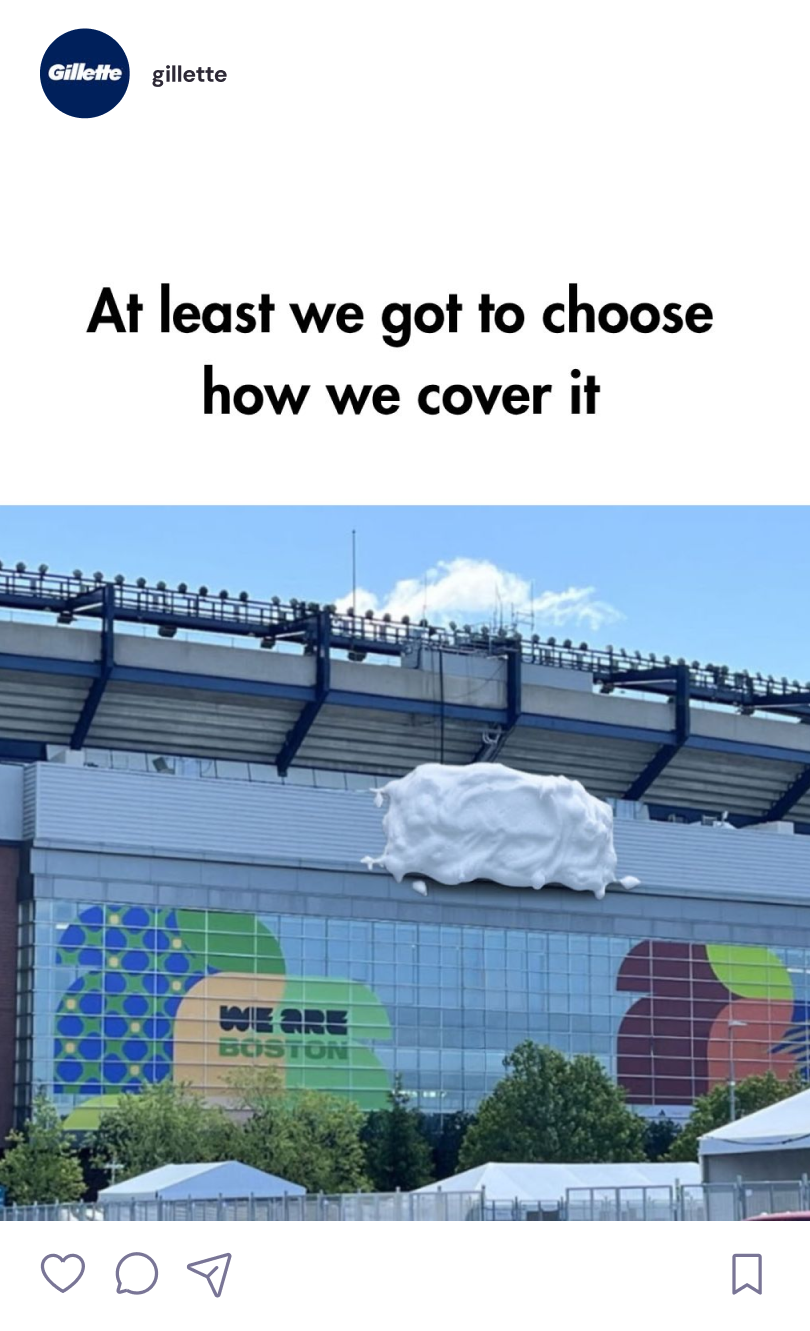
That’s the move. The censorship was the setup, the response was the punchline, and the whole exchange played out on social where the audience was already watching. The brands that paid for exclusivity got a clean logo nobody screenshotted. The brands that got hidden and clapped back got the entire conversation.
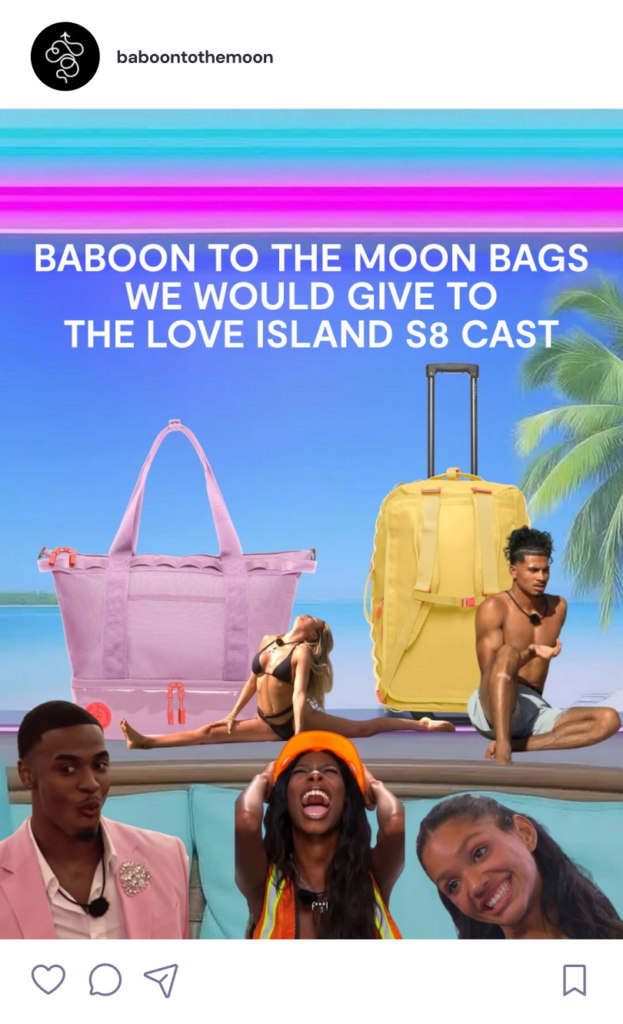
Love Island has the quieter version of the same dynamic. The show is wall-to-wall paid integration, products in the villa, partners stitched into challenges, logos in every frame. And still, the things fans repeat are the unsanctioned ones, the accidental catchphrase, the meme a viewer made at 11pm, the joke no brand approved. The official placement buys you a spot in the room. It doesn’t buy you a place in the conversation.
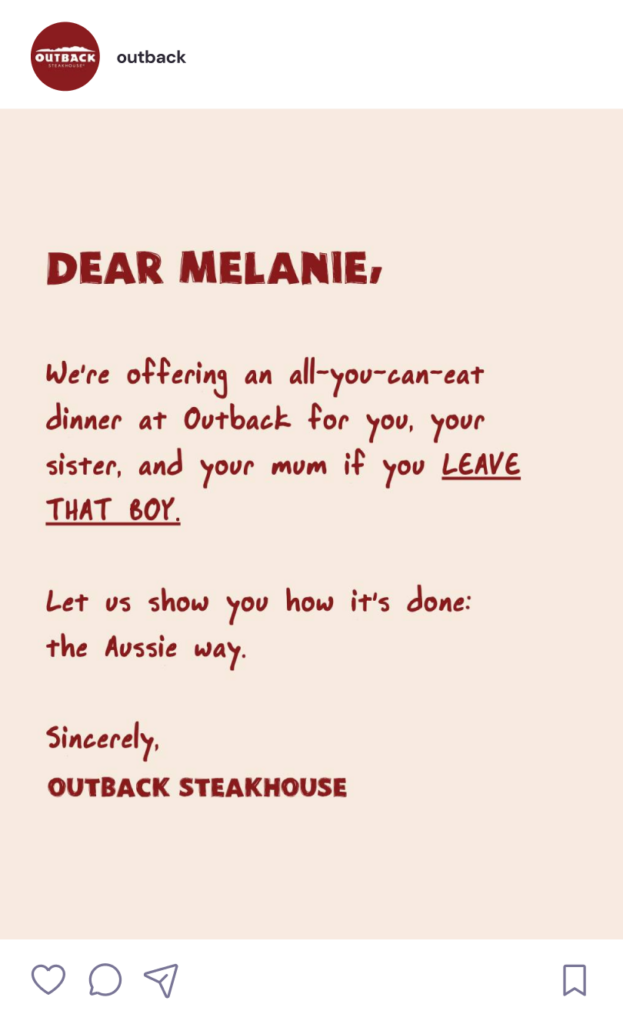
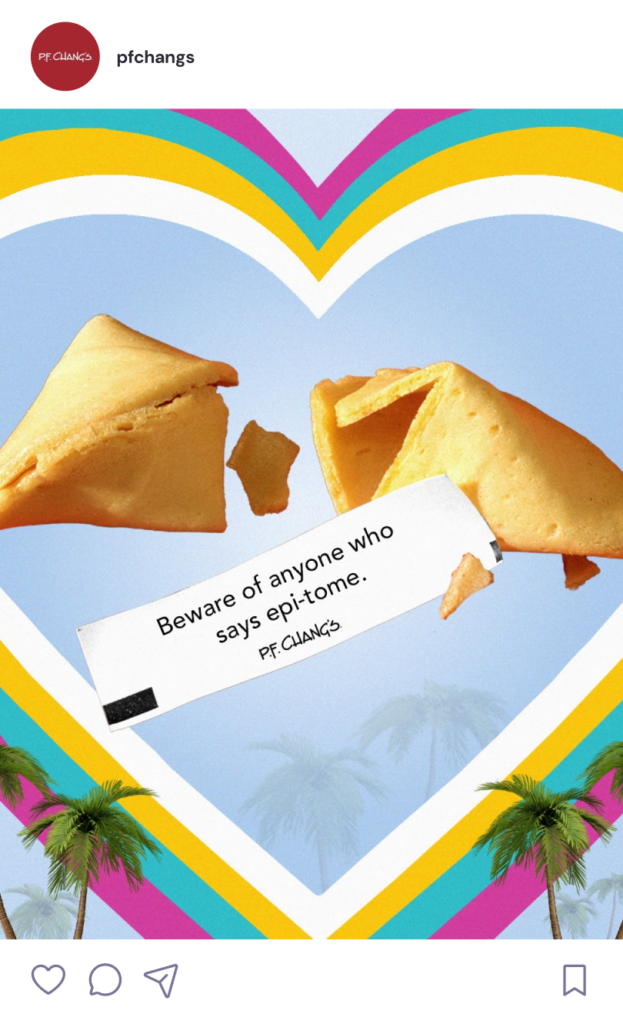
What the winners had in common wasn’t budget, it was tone. They sounded less like a corporation with a media plan and more like the friend on the couch next to you, watching the same episode, cracking the same joke a half-second before you did. That tone is the whole thing. It makes a multimillion-dollar company feel like a person who happens to be in on it, and people don’t share ads, but they share a good joke from someone who gets it. The brands that landed one got talked about, screenshotted, sent to the group chat, reshared by people who would scroll straight past an actual ad. No product pitch, no call to action, no spend behind it beyond the wit to read the room. They won the engagement without advertising anything. In a feed where the audience is already doing the marketing, the job isn’t to interrupt the conversation. It’s to be worth quoting inside it.
Losing Control Is the Strategy
The obvious objection is message control. If fans make the content, fans make the jokes, and some of those jokes will be at your expense.
True. And survivable. The brands that get remixed without dissolving are the ones with an identity strong enough to bend. If one meme can break your brand, the meme was never the problem.
The less obvious point is that fan-owned marketing takes more creative direction, not less. You’re no longer designing a finished ad. You’re designing a system of parts, a visual identity that survives a bad crop, a voice that works in a reply, moments built to be clipped. That’s harder than making one beautiful thing. It’s also where the entire discipline is heading.
The Tournament Ends. The Behavior Doesn’t.
The final whistle blows July 19. The villa closes a few weeks later. The behavior both of them exposed is permanent.
Every brand has a version of this waiting. A fandom, a subculture, a running joke, a community that already talks about your category whether you participate or not. The World Cup just made the dynamic impossible to ignore by running it at planetary scale for a month.
So the brief changes. It’s no longer “make a campaign” with a start date, an end date, and a media plan. It’s “make something worth stealing,” then get out of the way while people steal it.
The traditional ad isn’t dying because people hate ads. It’s dying because the audience found out they’re better at this than we are. The brands that win next are the ones who agree, and build for it.
Planning your next tentpole moment? GreaterThan helps ambitious brands stay in the conversation, not just in the ad break. If you’re looking for a team that can keep up with the chatter and move at the speed of the moment, let’s talk.