Every April 1st, brands get one unscripted chance to show what they’re actually made of.
No media buy can save a bad joke. No production budget covers for a concept that doesn’t land. April Fools’ Day is a pure creative test: you either understand your audience well enough to make them laugh, or you don’t.
And the bar has gone up. Audiences have seen enough half-hearted fake product launches and recycled “gotcha” posts to know the difference between a brand that’s having fun and one that’s just checking a box. The campaigns that cut through in 2026 did something harder. They were specific, self-aware, and actually funny.
Here’s what we noticed, and why it matters beyond one day a year.
Why April Fools’ Has Become a Real Creative Opportunity
For a long time, April Fools’ was treated as a throwaway. Brands would slap together a fake announcement, post it, and call it content. Some still do. But the brands that approach it with genuine creative investment have quietly turned it into one of their highest-performing days of the year.
The reason is simple: authenticity is hard to manufacture and easy to spot when it’s missing. April Fools’ gives brands permission to drop the polish and show a side of themselves that feels human. Done well, it builds more goodwill in 24 hours than a month of brand advertising. Done poorly, it confirms every suspicion that your marketing team is just going through the motions.
The stakes are real. So is the upside.
The Trends We Noticed
Looking across this year’s campaigns, three creative patterns kept showing up in the ones that actually worked.
1. The Unexpected Collab
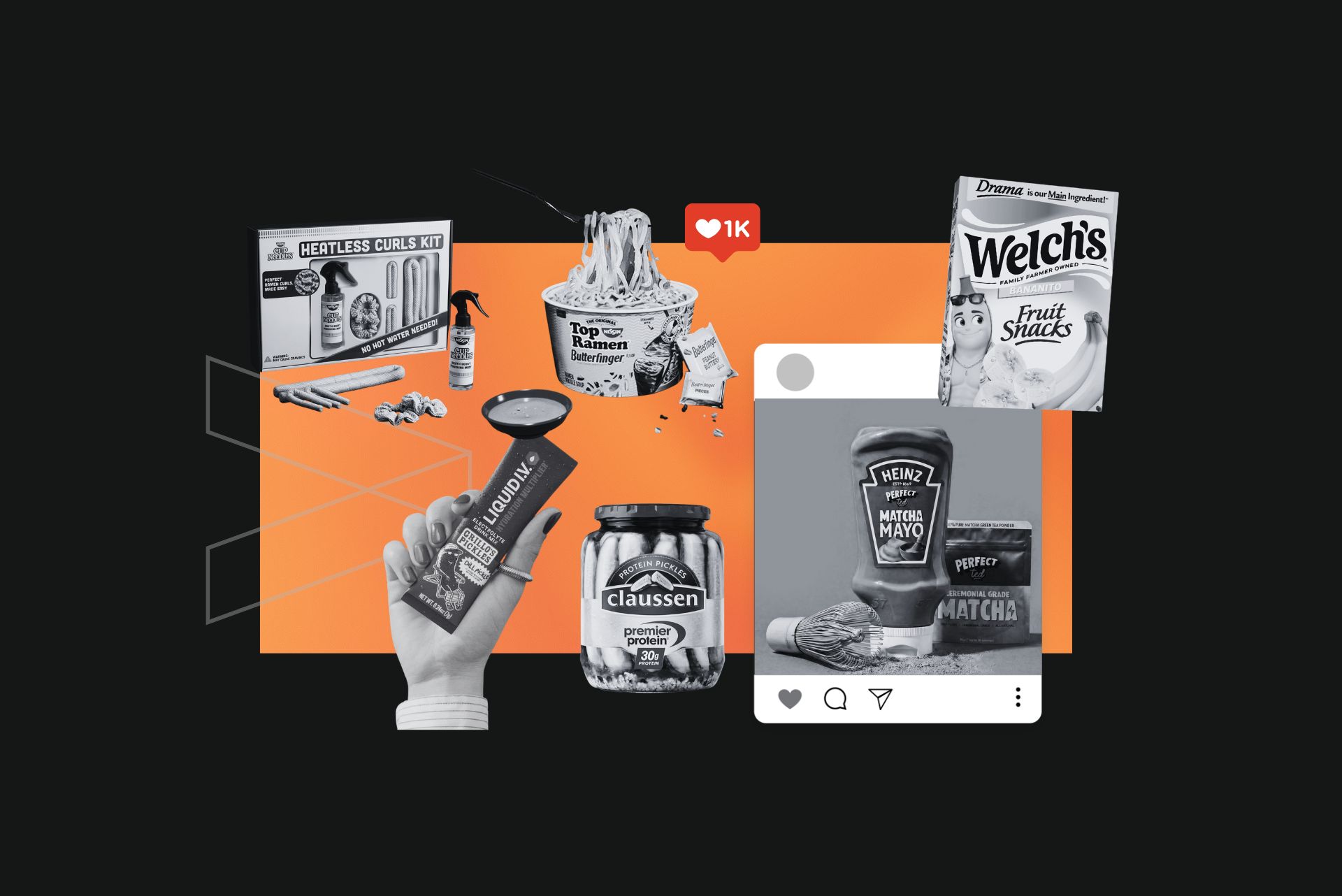
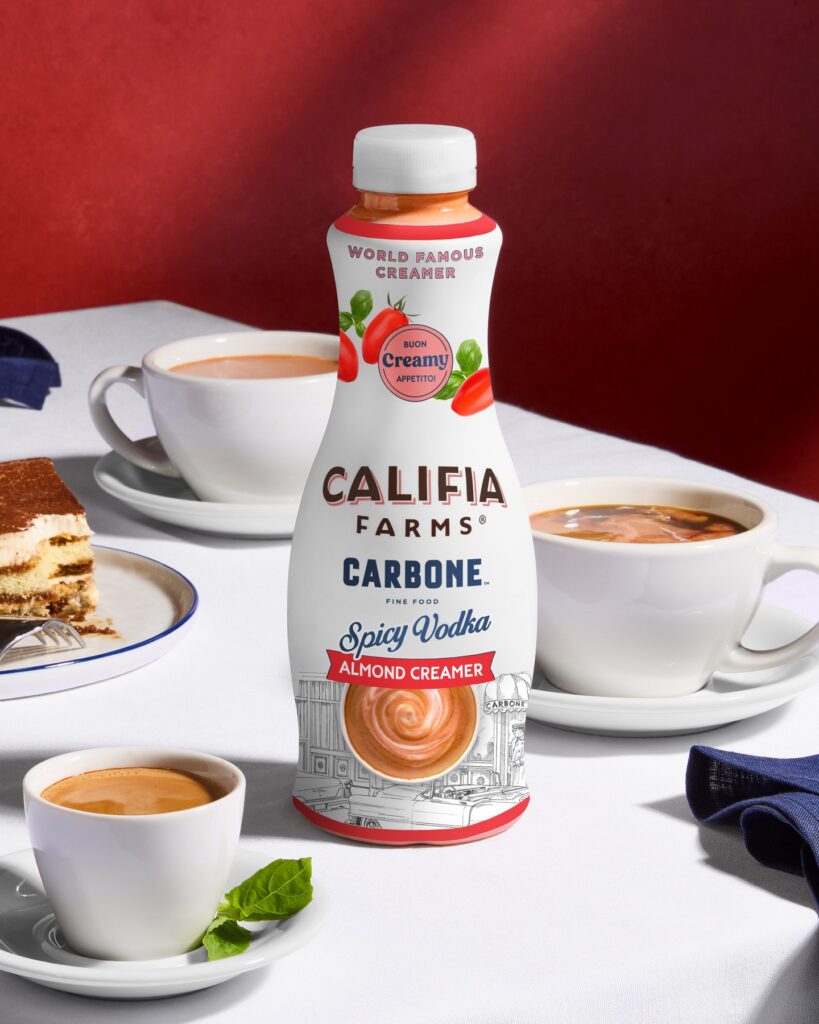
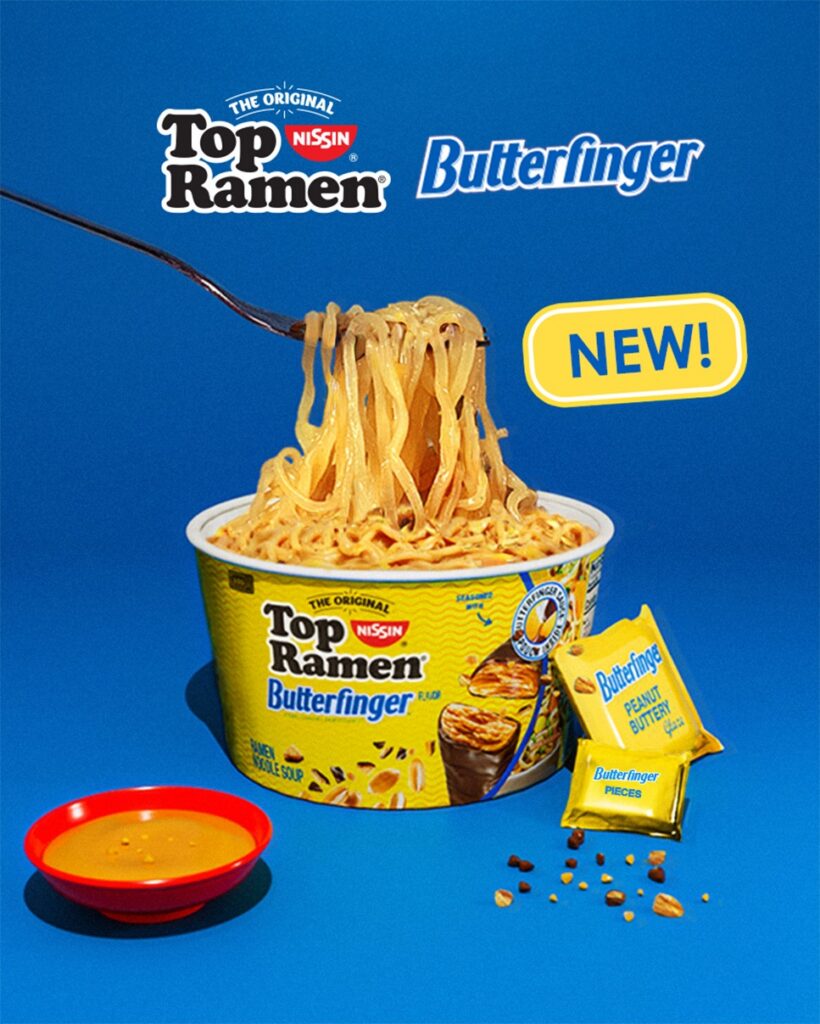
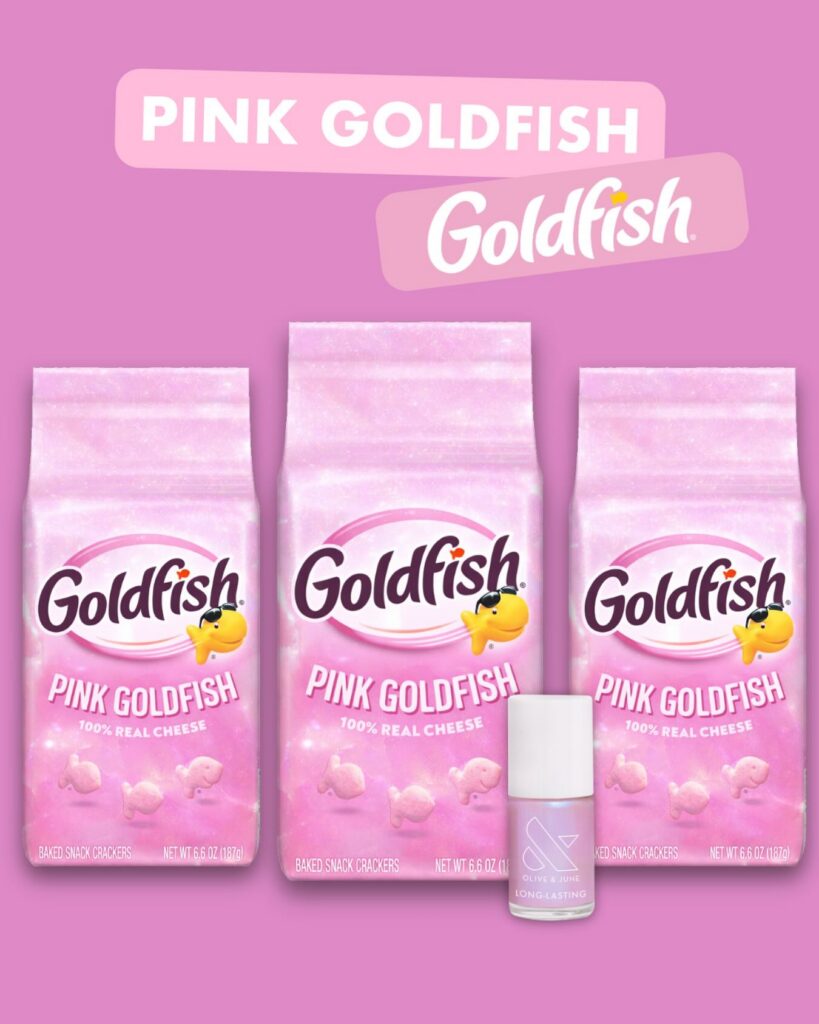
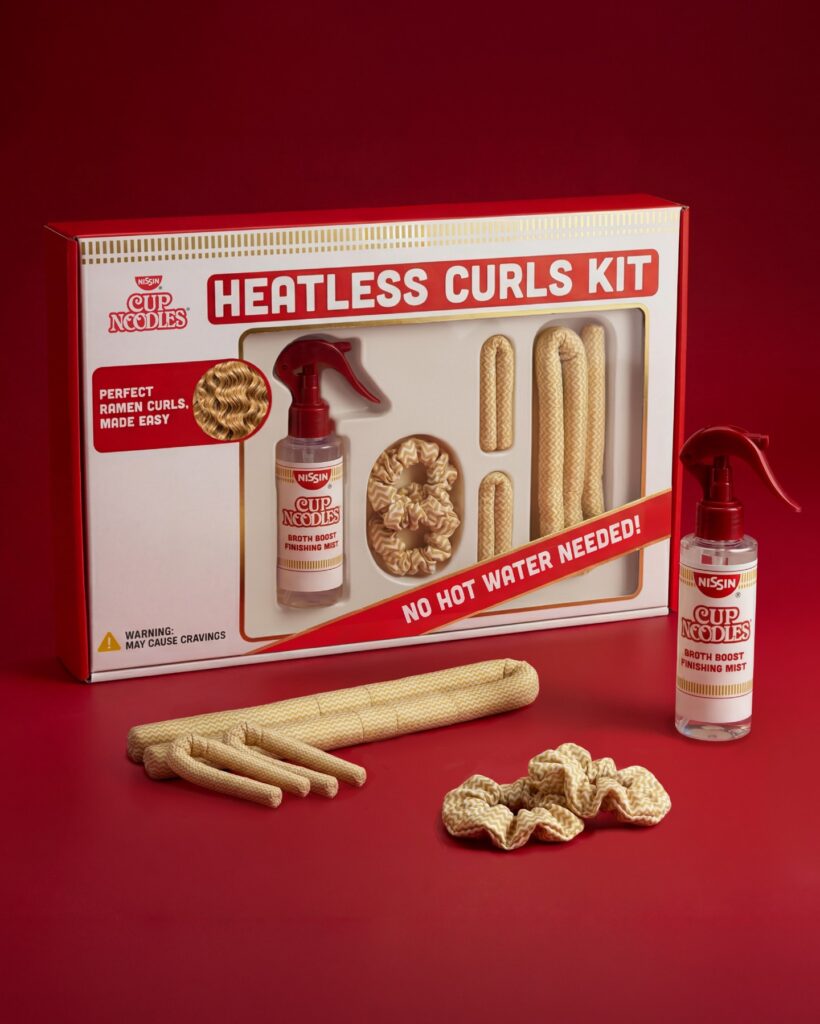
The most talked-about campaigns this year weren’t solo stunts. They were pairings: two brands from completely different worlds whose combination made people do a double-take before the joke landed. The collab format works because the punchline is built into the concept. You don’t have to explain it. The collision between two incongruous brand identities does the work immediately.
What separates a good collab from a lazy one is whether the pairing has any internal logic. The best ones this year were almost believable, which is exactly what made them funny.

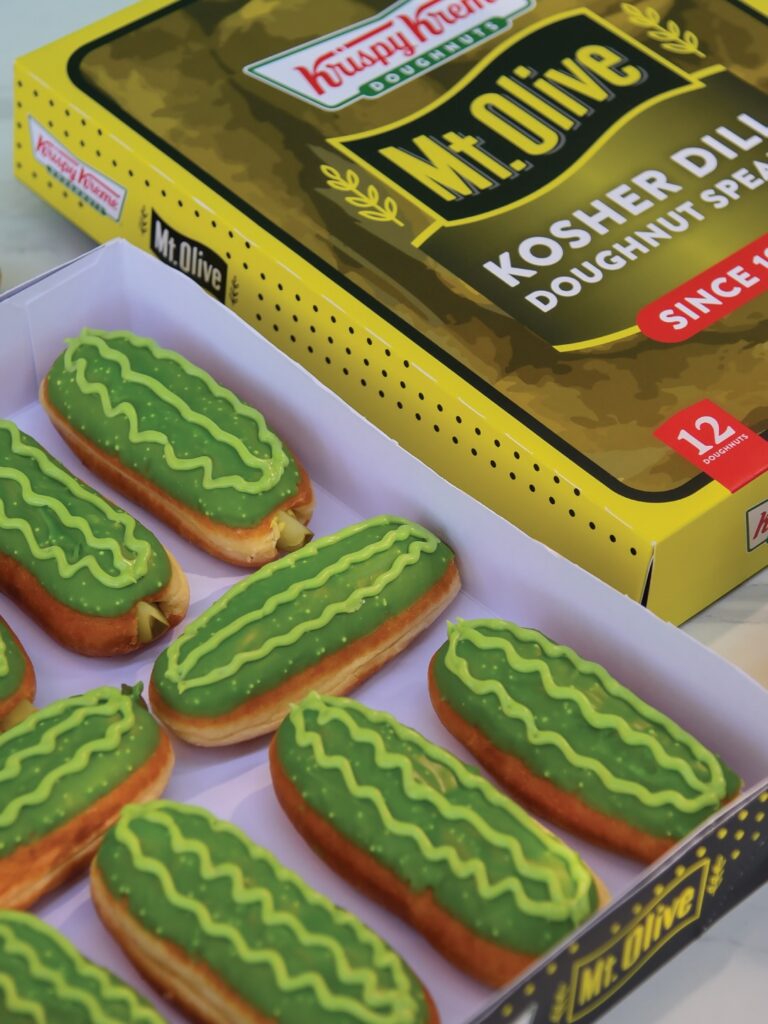
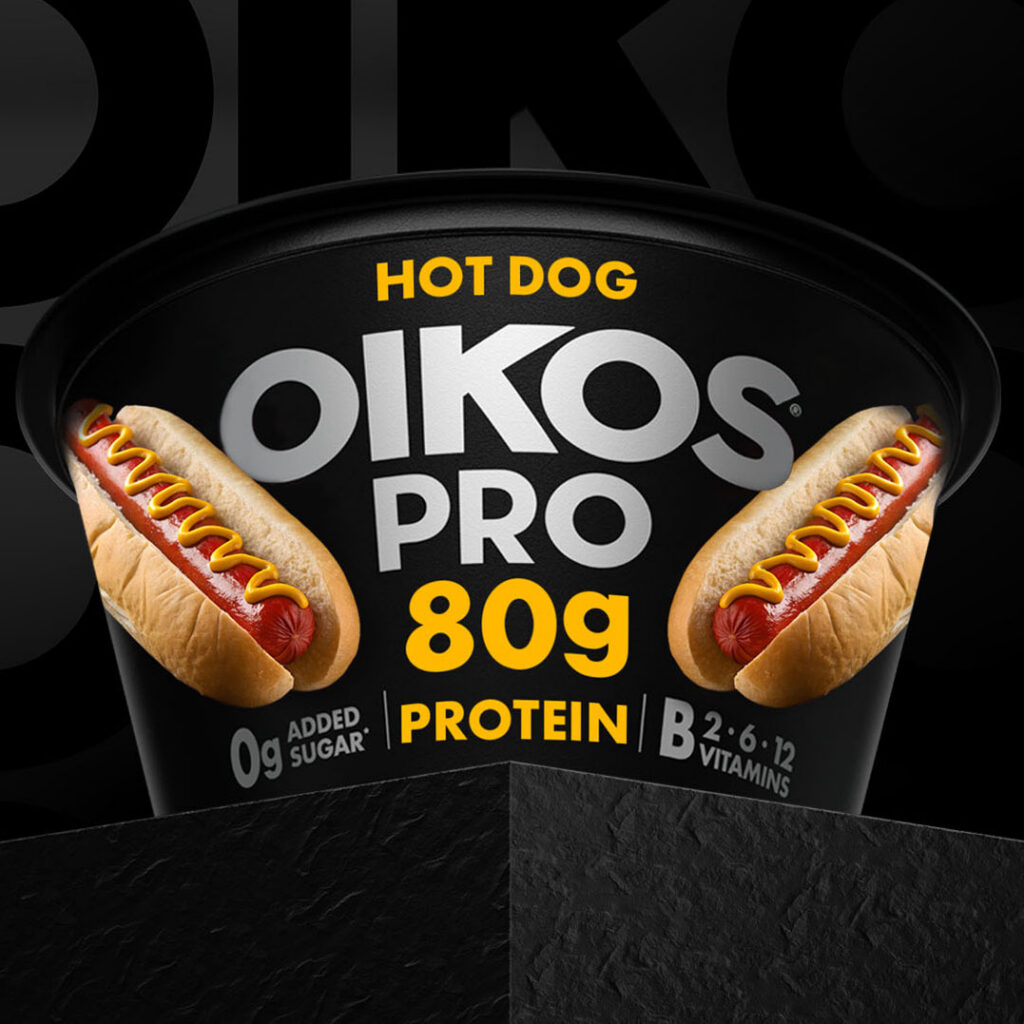
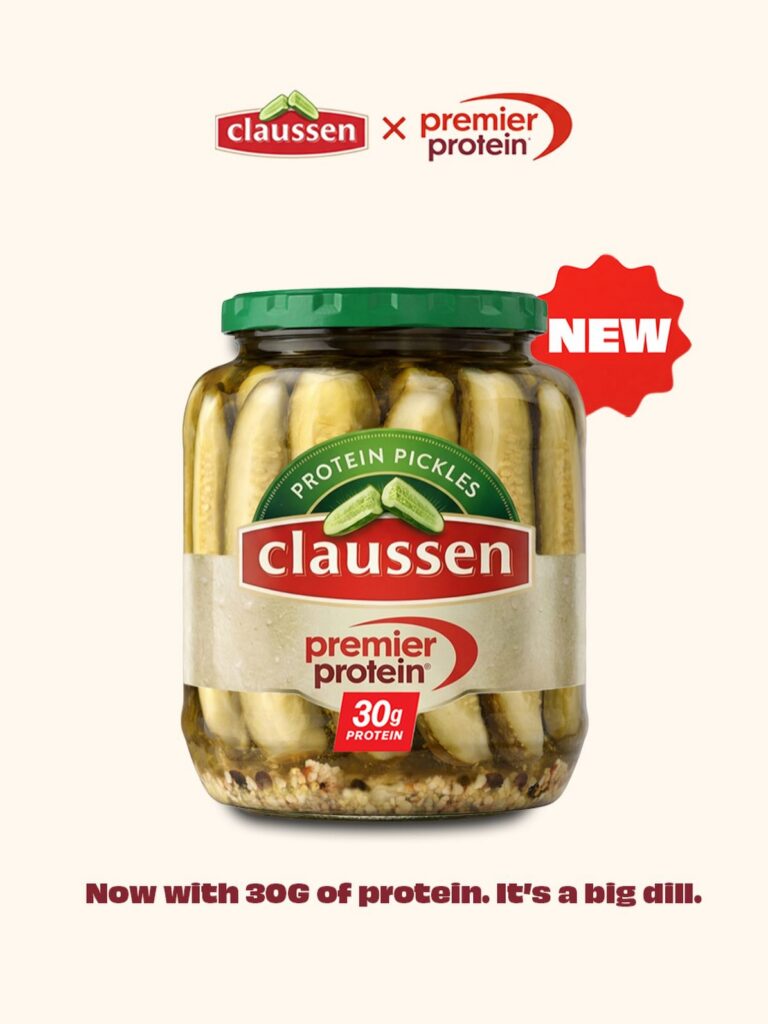
2. Pickles and Protein
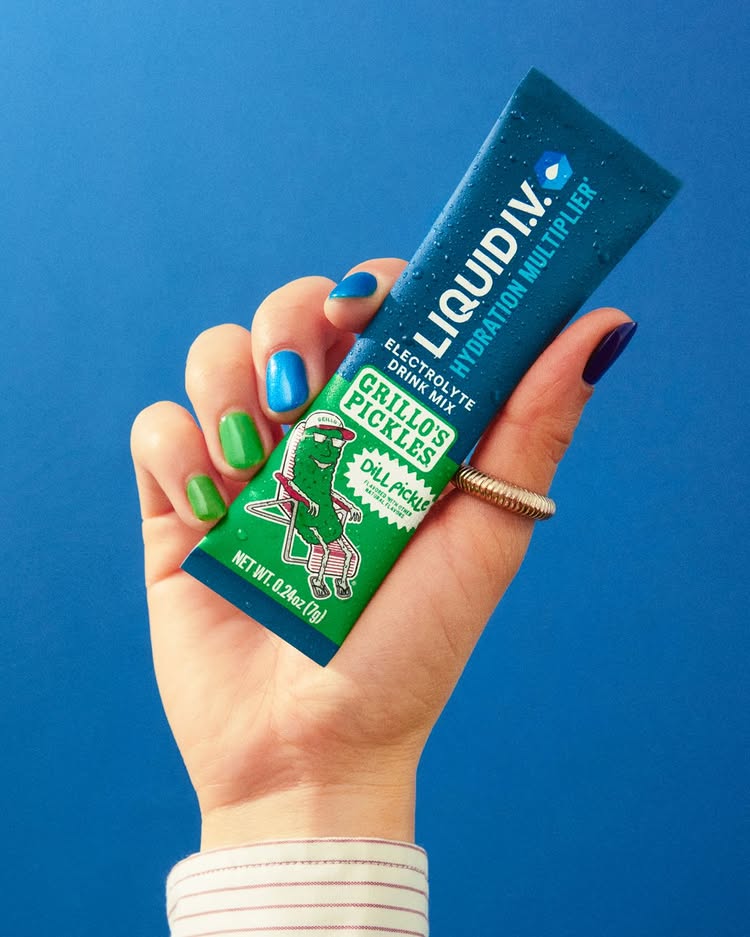
Two of the biggest food trends of the past year collided with April Fools’ Day in ways that felt almost inevitable. Pickles have had an undeniable cultural moment, showing up in chips, drinks, condiments, and seemingly every limited-edition drop imaginable. Protein has become the operating system of the wellness economy, with brands racing to inject it into increasingly absurd vehicles.
Brands that spoofed either trend had a built-in advantage: the joke was already half-written by culture. All they had to do was push it one step further than anyone had gone yet.
3. Poking Fun at Internet Language
Some of the sharpest brand humor this year didn’t come from a fake product. It came from brands using the internet’s own vocabulary against itself, leaning into the kind of hyper-specific, algorithmically-mutated language that lives on TikTok and immediately signals cultural fluency to the people who get it.
The distinction that matters here is self-awareness. Brands that genuinely understand the language can deploy it in a way that reads as in on the joke. Brands that don’t usually come across as trying too hard, which is its own kind of cringe. The goal isn’t to speak Gen Alpha. It’s to acknowledge, with a straight face, that the language exists and is absurd.
Our Team’s Favorites
We asked the team to share the campaigns that stopped their scroll this year. Here’s what they picked and why.
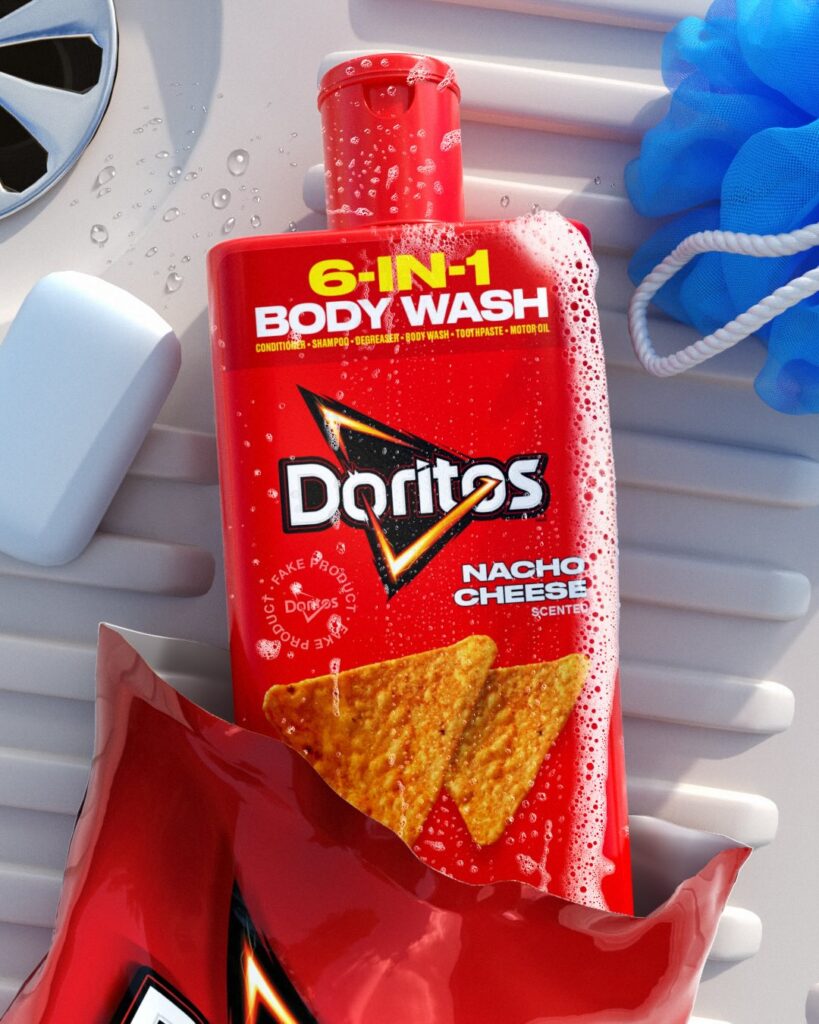
Doritos: 6-in-1 Nacho Cheese Body Wash
Submitted by: Daphne
What got us: People love a commitment to the bit. Realistic mockups, deadpan caption, and a play on an ongoing internet meme. That “if you know you know” quality is hard to manufacture, and it’s what made this feel like it was written by someone who actually uses the internet, and not just a brand.
Angel: Dyson Beauty Pet Range
Submitted by: Angel
What got us: Dyson applied their actual product lineup to cats, horses, and poodles with completely straight-faced production quality — and it still works as a product demo. It’s rare that a joke also communicates exactly what a brand does, but this one does.
Kristina: SEGA — The Sanic Collection
Submitted by: Kristina
What got us: SEGA didn’t just reference the legendary “Sanic” meme — they made actual purchasable merch from it, with intentionally misspelled copy like “who aproved this seriously???” and “i guess buy it??” Instead of a teaser post, they made it a real limited drop.
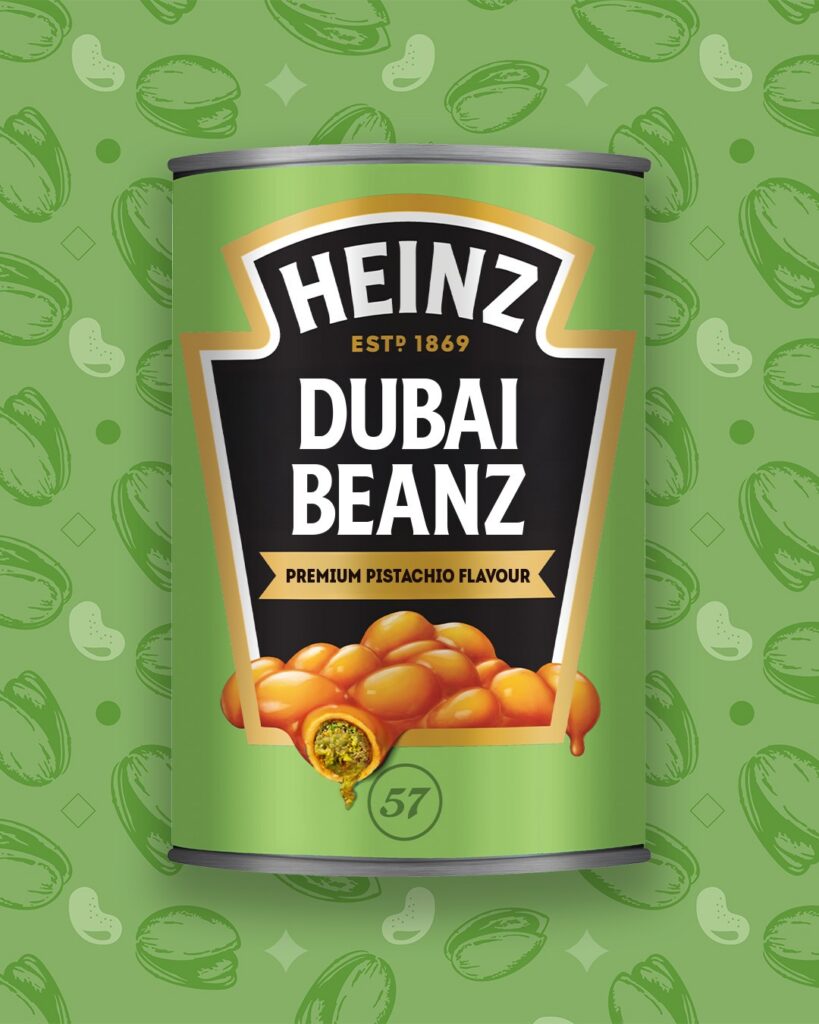
Bella: Heinz UK x PerfectTed — Matcha Mayo
Submitted by: Bella
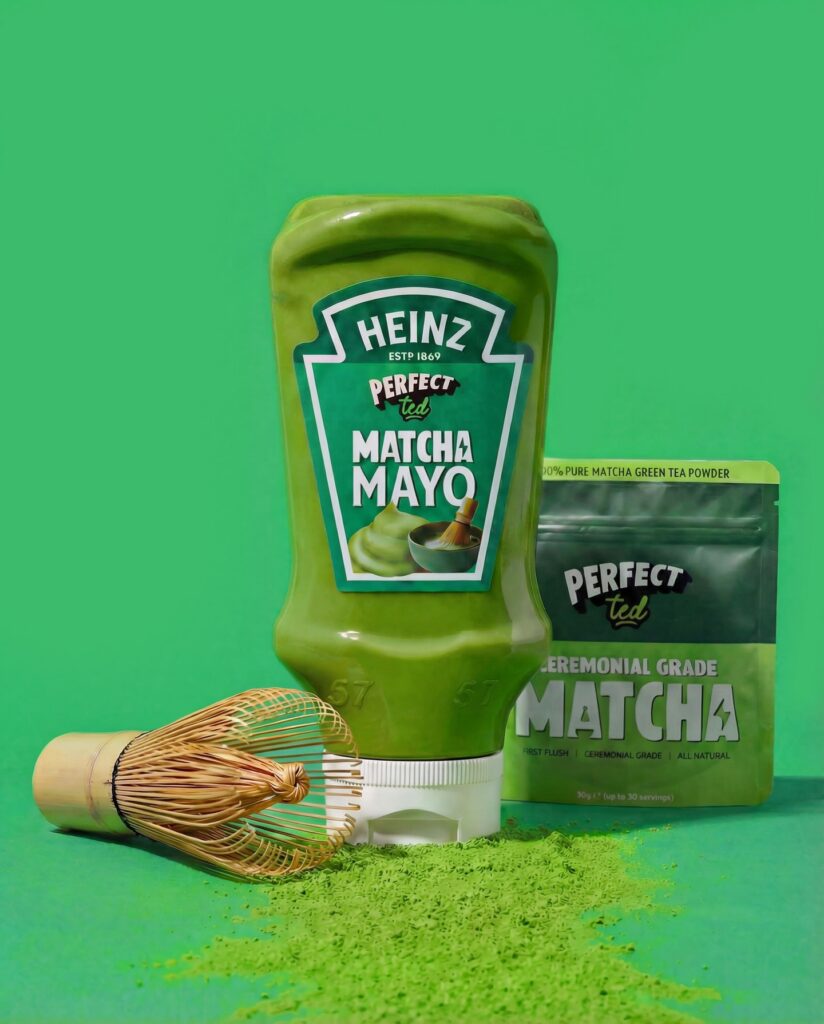
What got us: “A MATCHA MADE IN HEAVEN.” Heinz UK teamed up with matcha brand PerfectTed to announce a Matcha Mayo, and the mockup looks genuinely real. The pun is so good you almost forgive them for putting it on a condiment.
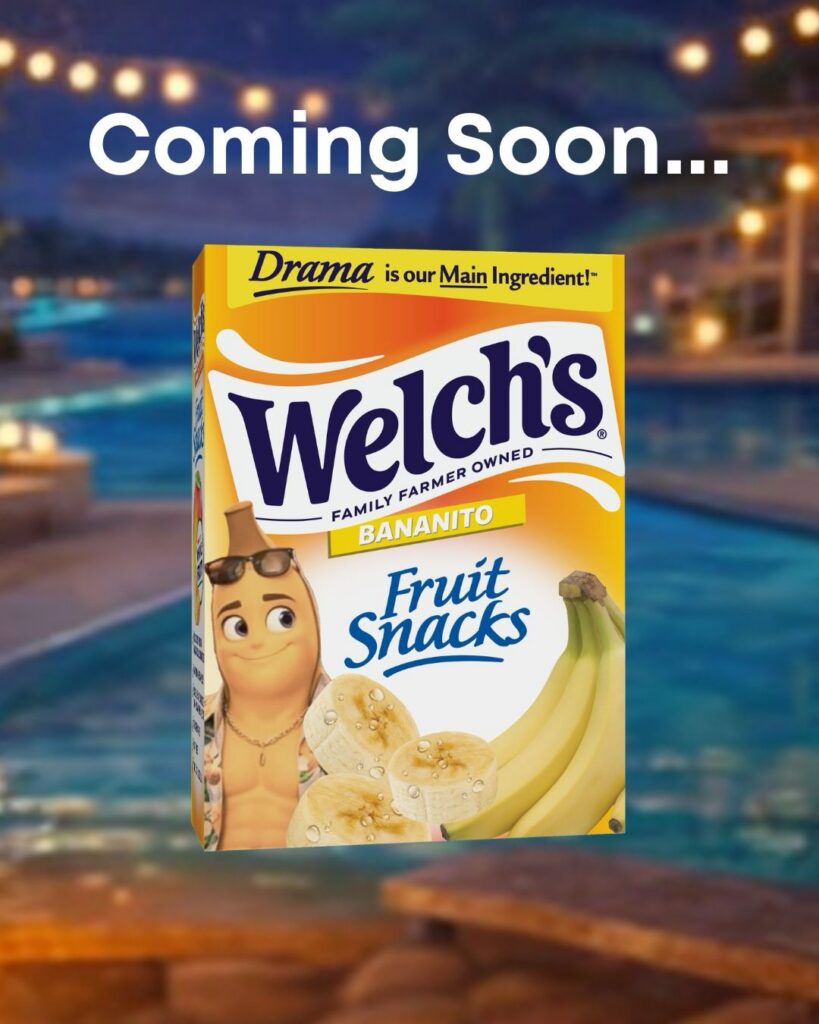
Casey: Hiyo x Banana Boat — Pineapple Coconut Auramaxxing Spray
Submitted by: Casey
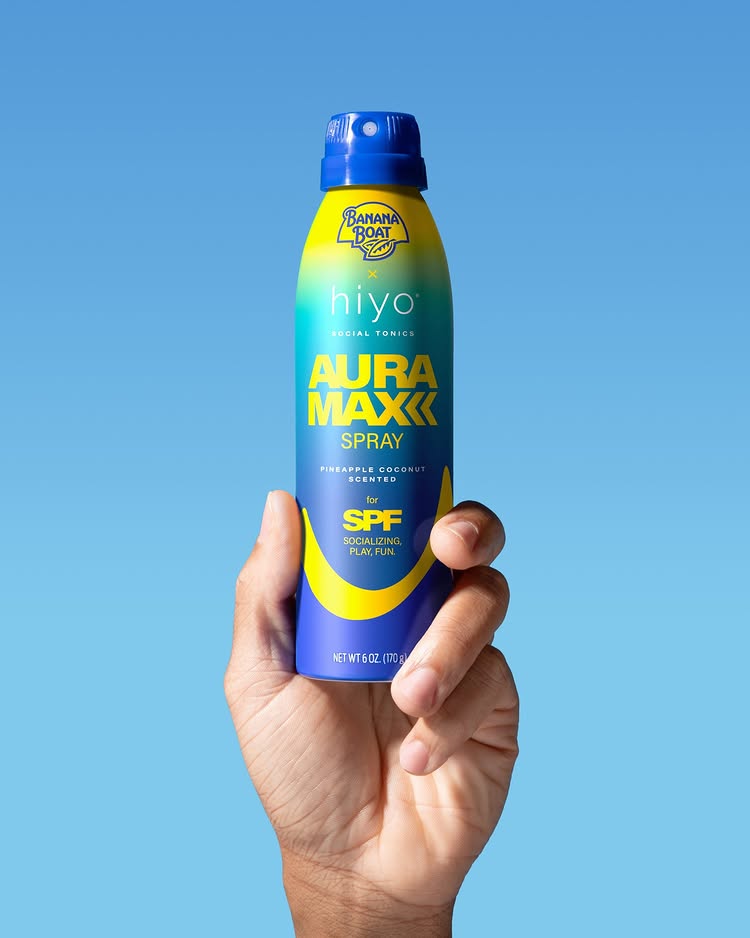
What got us: A fictional spray that “blocks bad vibes and awkward small talk” — built on the teen slang trend around “aura points,” where you gain or lose social currency based on how cool something is. SPF stands for “Socializing, Play, Fun,” the collab makes just enough sense on the surface, and the absurdity sneaks up on you.
Ella: CRUNCH — Buncha CRUNCH Concession Dispenser Experience
Submitted by: Ella
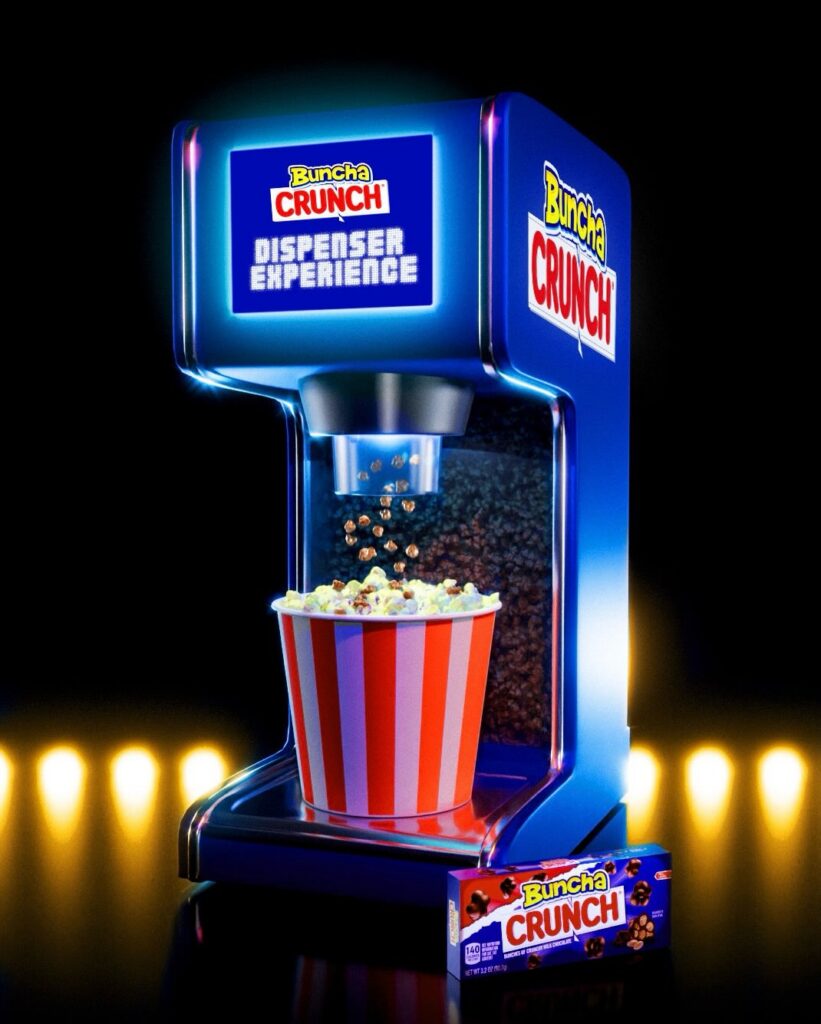
What got us: The concept is so good that the comments were just people in genuine grief when it turned out to be fake. The follow-up “Official Statement” was the real move though: “our thoughts and condolences are with everyone who fell for our April Fools’ joke… on a completely unrelated note, it might be real.” Two rounds of engagement, one concept.
The Ones That Missed
Not every brand made it through unscathed. A few patterns kept showing up in the campaigns that fell flat.
The fake product with no point of view. Announcing a ridiculous product extension only works if there’s a real brand truth underneath it. Without that, it just reads as noise.
The “we’re actually announcing something real” bait-and-switch. Brands that use April Fools’ to tease a genuine launch are burning goodwill for a short-term engagement spike. Audiences remember.
The joke that punches at the audience instead of with them. Humor that makes customers the butt of the joke almost never lands. The best brand humor is self-directed or directed at a shared absurdity, not at the people you’re trying to sell to.
What This Has to Do with the Other 364 Days
The brands that win on April Fools’ are almost always the same ones that win the rest of the year. They know their audience well enough to predict what will make them laugh. They have a distinct enough voice to pull off something unexpected. And they have the internal creative culture to actually execute it, quickly, without it getting sanded down into something safe and forgettable.
April Fools’ doesn’t build that. It reveals it.
If your brand couldn’t participate this year because you didn’t know what you’d say, or because anything edgy would never get approved, that’s worth sitting with. The problem isn’t April 1st. It’s the creative infrastructure underneath.
Want to build a brand with enough voice and clarity to show up on any day of the year? Let’s talk.