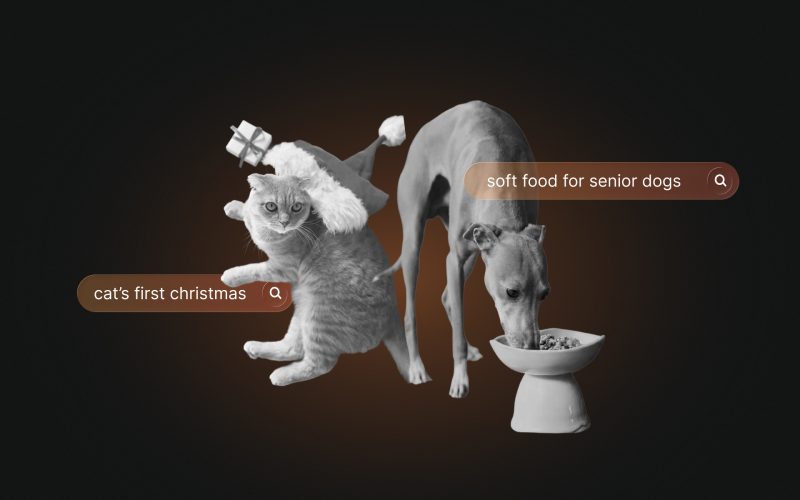

A shopper asks an AI assistant to find a weatherproof jacket for a 40-pound dog that hates having things pulled over its head. The assistant reads a dozen product pages, compares fit, materials, and reviews, and returns three options. The shopper clicks one and buys.
Your product page just had two visitors. Only one of them looked at the hero image.
Shopping Has a New Middle Step
In Klaviyo’s Global AI Shopping Index, 78% of consumers said they had used AI for shopping or product research in the previous three months. Nearly half, 48%, want AI assistants to help them compare products.
The holiday season accelerates the shift. Research from Checkout.com found 47% of consumers planned to use an AI agent for their Christmas shopping, with gift buying as a major driver of early adoption. The same research identified routine and repeat purchases as the first category where agentic shopping becomes habit in 2026.
The research and comparison phase is moving to an assistant. The final decision mostly stays with the shopper. A January 2026 Gartner survey of U.S. consumers found that people want AI help with research while keeping purchase decisions for themselves. The working model is AI as researcher and filter, with the human making the call.
That splits the product page’s job in two. It has to be legible enough to make the shortlist, and compelling enough to close once a person arrives.
How an Agent Reads Your Page
Agents work from what they can parse. Text on the page, structured product data, specs, reviews, and pricing. The lifestyle photography carries far less weight in that process.
Several common PDP patterns work against this.
Specs inside images. A sizing chart or ingredient panel uploaded as a graphic reads as nothing to an agent and very little to a screen reader.
Vague marketing copy. “Premium comfort for every adventure” gives an agent no attribute to match against a request.
Critical details hidden behind interaction. Compatibility notes, materials, and care instructions buried in nested tabs or loaded only on click are harder to extract reliably.
Inconsistent variant data. When size, color, and price are formatted differently across variants, comparisons get unreliable, and unreliable products fall off the shortlist.
What the Human Still Needs
Once a shopper clicks through, the page is doing traditional work again. Imagery that shows scale, texture, and use. Reviews from people with a similar need. Clear pricing, delivery dates, and return terms. A brand presence that justifies choosing this option over the two others the assistant surfaced.
That last point carries more weight than it used to. A shopper arriving from an agent has already seen a comparison. The PDP is now the tiebreaker, and brand feel is often what breaks the tie.
The Dual-Audience PDP
Most of what helps an agent also helps a person. The two audiences overlap far more than they conflict.
Put specs in live text. Dimensions, materials, ingredients, compatibility, and care instructions belong on the page as readable text, styled well. A clean spec table serves a skimming shopper, a screen reader, and an agent equally.
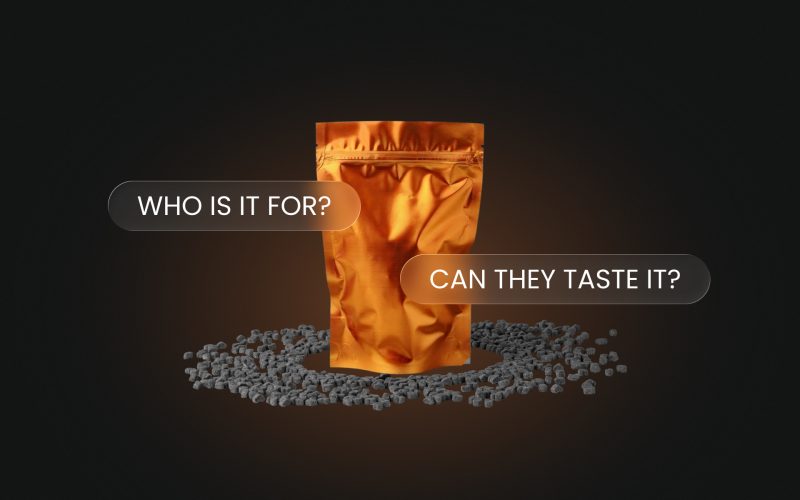
Lead with who it is for. A clear opening line on use case and fit, such as “built for large breeds who pull on walks,” gives an agent something to match and gives a shopper instant confirmation they are in the right place.
Write comparison-ready content. Honest differentiators, a short “best for” line, and plain-language answers to the questions competitors leave open. Agents compare by design, so give them a reason to rank the product.
Implement product structured data. Schema for price, availability, ratings, and variants is a foundational step on most Shopify and WooCommerce themes, and it strengthens search visibility at the same time.
Answer questions on the page. FAQ blocks written in natural language mirror the way people prompt assistants, and they catch human shoppers before they leave. Klaviyo found 75% of consumers have abandoned a purchase because they could not get an instant answer.
Prompt richer reviews. Review fields for size purchased, use case, and household or pet details give agents usable signals and give shoppers the context to trust what they read.
Accessibility, SEO, and Agent Readiness Share a Foundation
Teams tend to treat these as three projects with three owners. In practice they are much closer to one. Semantic structure, descriptive text, consistent data, and content that answers real questions serve all three.
A PDP template rebuilt on that foundation improves organic performance, meets accessibility standards more completely, and becomes easier for an agent to recommend. The work is the same work good product page architecture always called for. The payoff is simply larger now.
Audit Before Peak
For brands heading into the holiday window, a focused PDP audit is the highest-leverage fix still on the table.
Pick the top ten products by revenue. Check what renders as text and what is trapped in images. Confirm structured data is present and accurate. Read the first two lines of copy and ask whether a stranger could tell who the product is for. Compare the FAQ and review content against the questions customer service actually receives.
Most of these are template and content changes rather than redesigns, and they can ship before Black Friday.
The product page used to have one audience. It now has two, and the brands that design for both will land on more shortlists and close more of them.
Want your product pages ready for shoppers and AI assistants before peak season? GreaterThan audits and rebuilds PDP templates for clarity, conversion, and discoverability. Let’s talk.